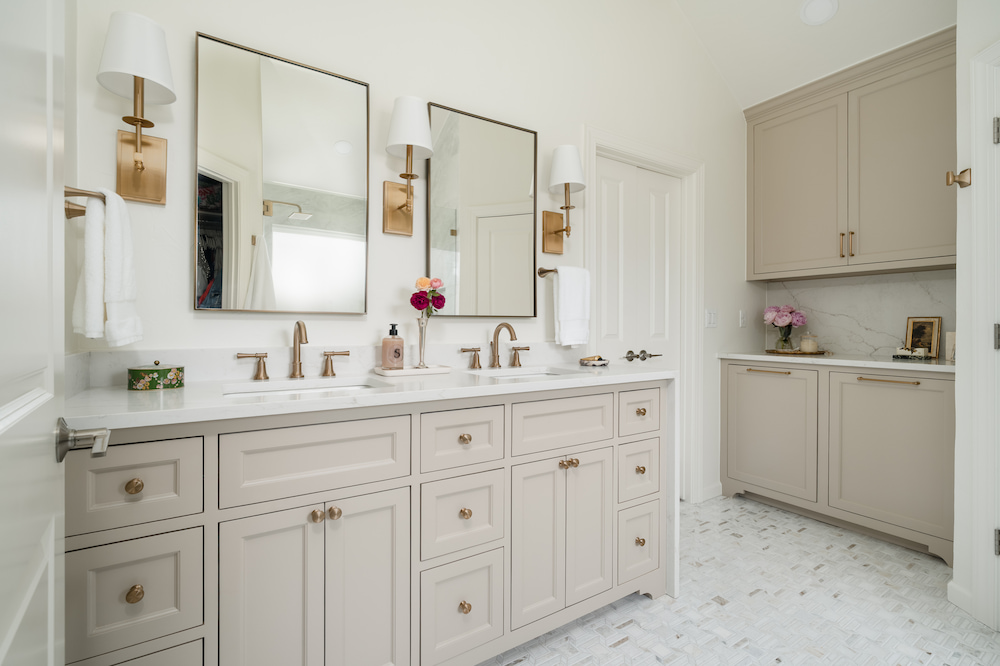
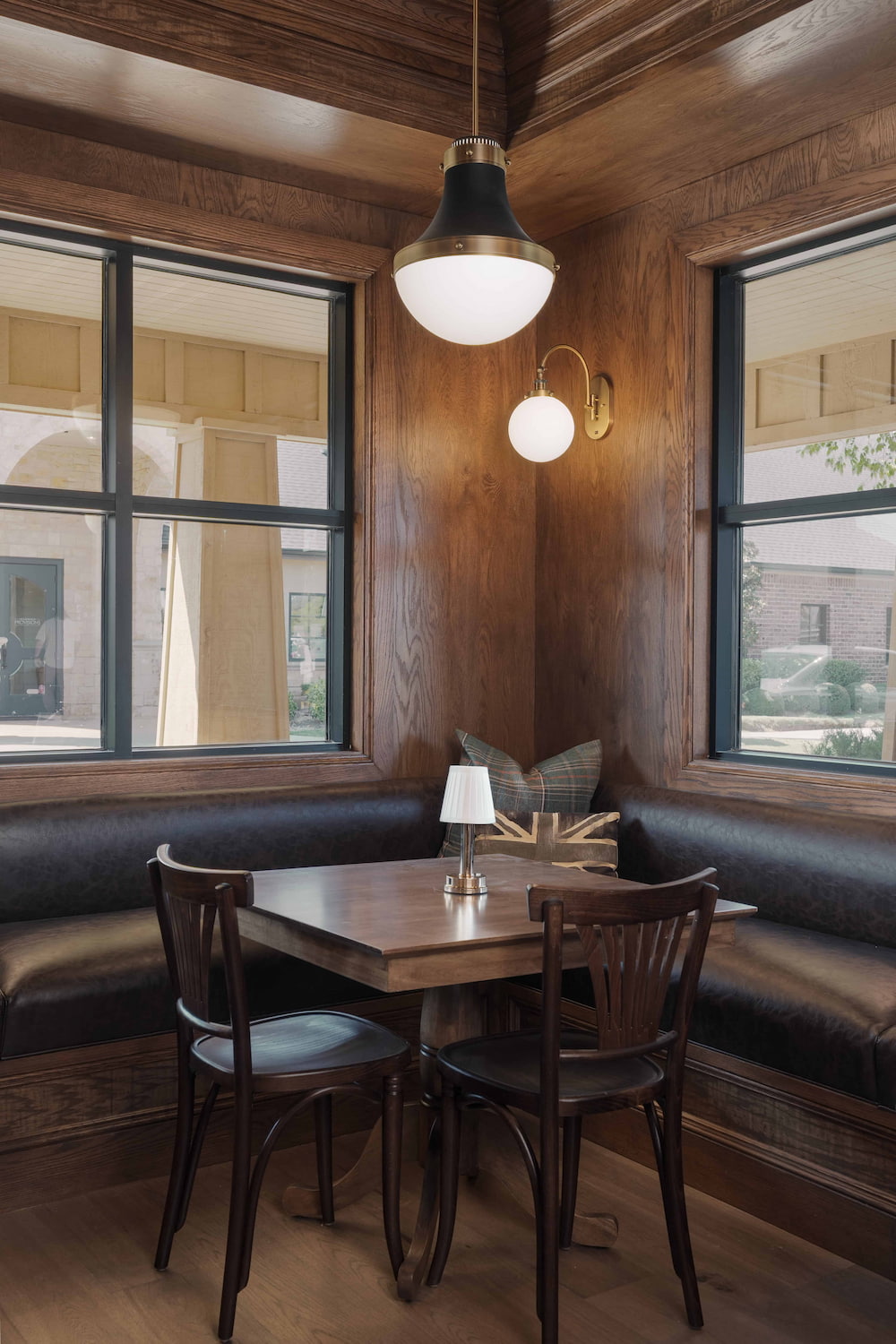
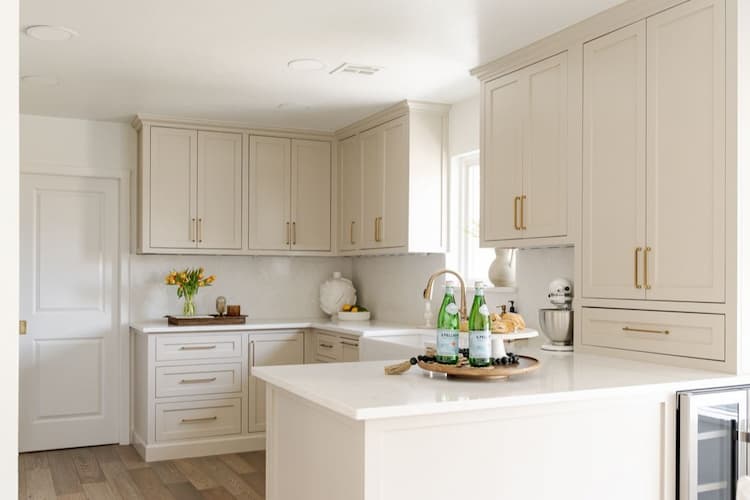
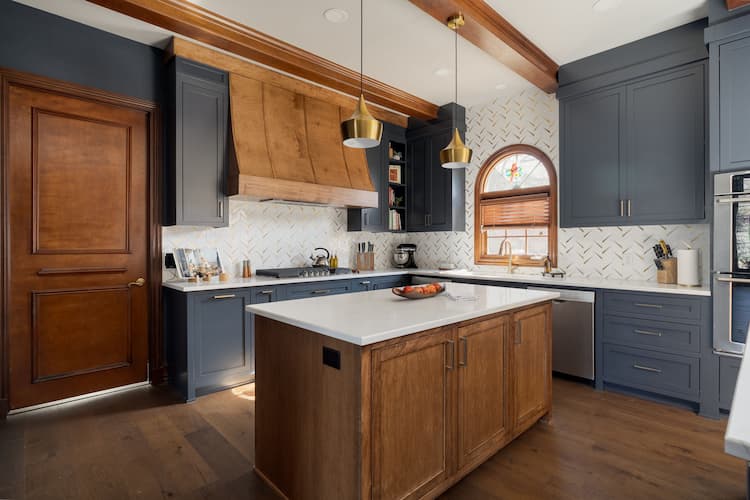
What do you remodel in a kitchen
  • Functional upgrades improve storage, lighting, and daily usability
  • Cosmetic updates help appearance but don’t fix deeper layout issues
  • Layout problems like poor flow often require structural changes
  • A full remodel is needed when multiple issues affect function
  • Lifestyle changes often reveal when a kitchen no longer works

Mar 31, 2026 | by Rebecca Muller

How to Know If Your Kitchen Needs More Than a Cosmetic Update

At first glance, many kitchens don’t seem like they need much. The cabinets may look dated, the lighting might feel off, or the finishes no longer match your style, but all of these are easily fixed with a simple cosmetic project. But over time, those smaller frustrations often point to something deeper. What starts as a visual concern can reveal underlying issues with layout, storage, or overall functionality, and in those cases, updating the look alone isn’t enough to make the space truly work.

If you’re planning a kitchen remodel for your Nichols Hills home but aren’t sure how extensive it needs to be, the key is understanding whether you’re dealing with surface-level wear or more fundamental limitations. Read on to learn how to recognize when your kitchen needs more than a simple refresh.

What do you remodel in a kitchen?

nichols hills kitchen remodel

Like any other renovation, kitchen remodeling can range from simple surface updates to full structural changes, depending on how the space functions. Not every project requires a complete overhaul. In many cases, smaller improvements can refresh the look and improve usability. In others, deeper changes are necessary to correct layout issues or support new routines. Understanding the different levels of remodeling makes it easier to identify what your space actually needs.

Cosmetic updates

Cosmetic updates focus on visual improvements. These changes enhance appearance without altering the underlying structure or layout. They are often quicker to complete and less disruptive, making them appealing for minor refreshes.

These updates typically include:

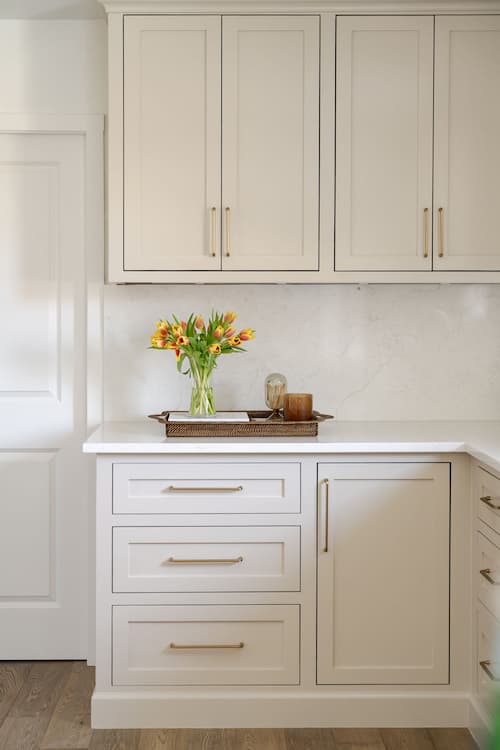
  • Painting cabinets or walls
  • Replacing hardware
  • Installing a new backsplash
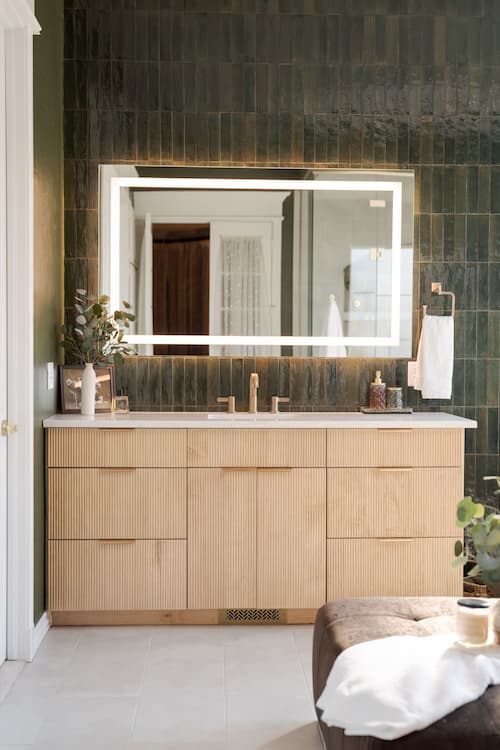
  • Updating light fixtures

While these changes can make a noticeable difference, they are best suited for kitchens that already function well and only need a refreshed look.

Functional upgrades

These upgrades go a step further by improving how the space works on a daily basis. Instead of focusing only on appearance, these changes address usability and convenience. This level of remodeling often involves rethinking how storage and appliances are used within the existing layout.

Common improvements include:

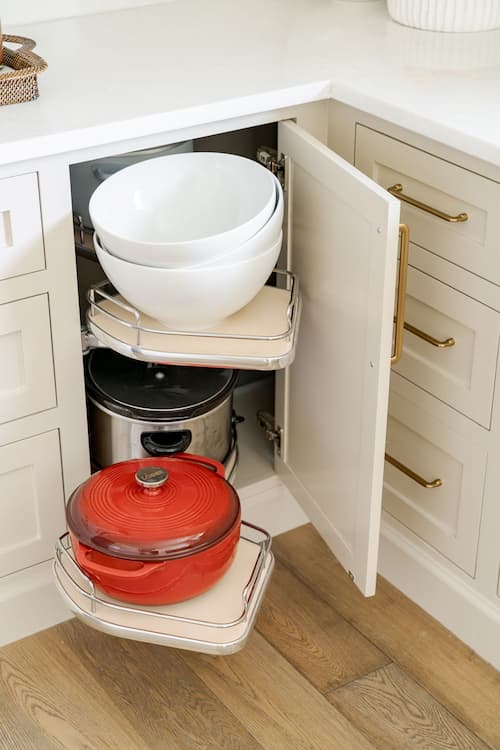
  • Reconfiguring cabinets for better storage
  • Adding pull-out shelves or organizers
  • Upgrading appliances for efficiency
  • Improving lighting for task areas

These adjustments can significantly improve daily routines without requiring major structural changes.

Layout and structural changes

When the layout itself creates limitations, deeper changes may be necessary. This is where remodeling shifts from surface-level improvements to rethinking how the space is organized. These changes affect how the kitchen connects to surrounding areas and how movement flows through it.

This type of work may include:

  • Removing or modifying walls
  • Expanding or opening up the kitchen area
  • Reworking the overall layout for better flow
  • Improving sightlines and natural light

These updates require more planning, but they can transform how the space feels and functions.

Full overhaul

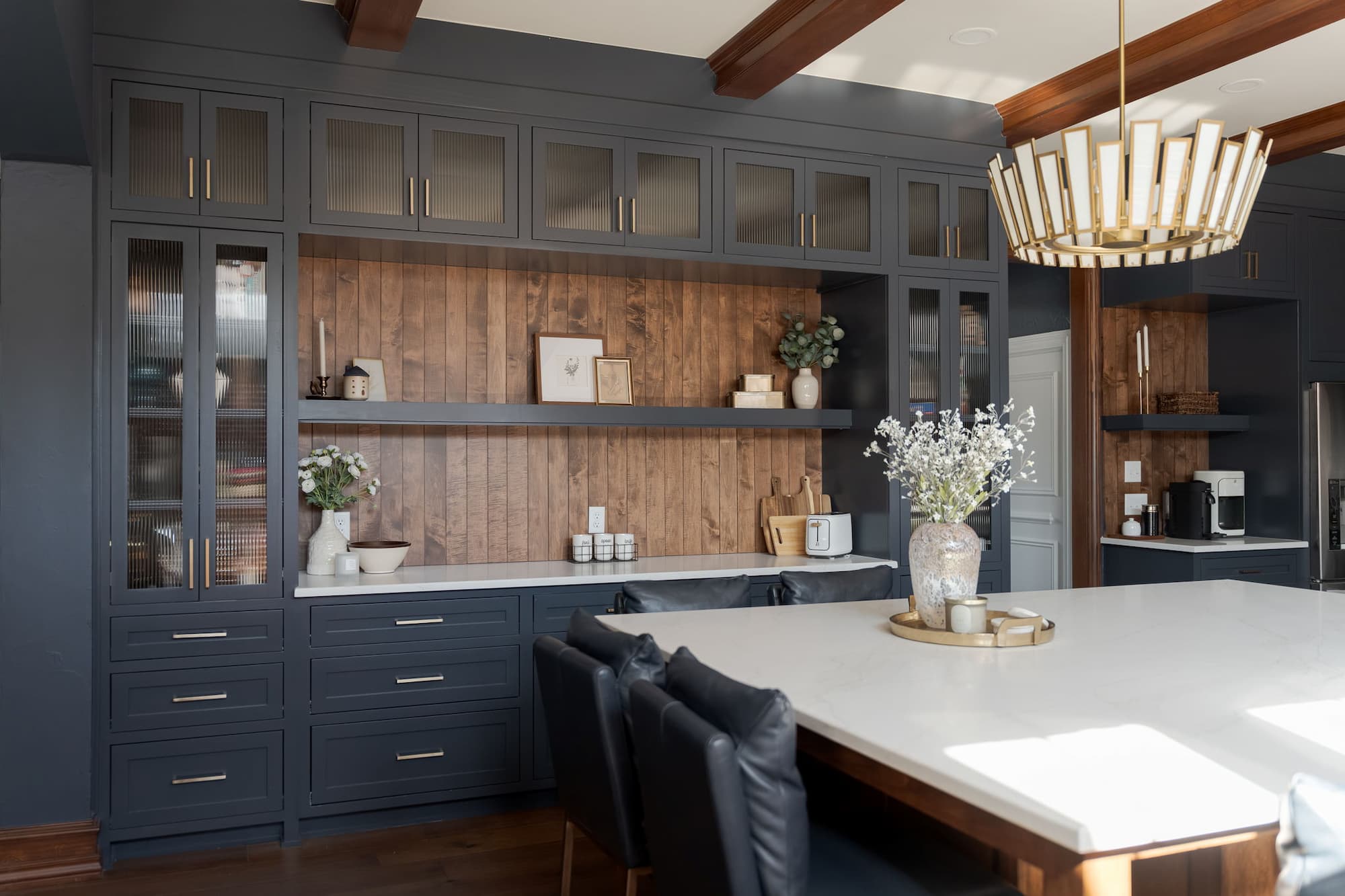
A complete kitchen overhaul combines all aspects of remodeling into a cohesive transformation. Instead of addressing individual elements separately, everything is redesigned to work together. This approach is often the most effective when multiple issues overlap. It allows for a unified result where layout, storage, finishes, and functionality are all aligned with how the space is used.

When should you fully remodel a kitchen?

When should you fully remodel a kitchen

A full kitchen remodel is needed when layout, structure, and functionality no longer support how you use the space. It’s not always obvious when a full transformation is necessary. When sorting the priorities for a planned remodeling project, many homeowners start with smaller updates, only to realize that the core problems remain. Recognizing the signs early can help you avoid repeated fixes and move directly toward a solution that addresses everything at once.

When cosmetic fixes aren’t solving the problem

Sometimes, surface updates improve appearance but fail to resolve underlying frustrations. If the kitchen still feels inefficient or uncomfortable after visual changes, it may indicate deeper issues.

Common signs include:

  • The space still feels cramped after updates
  • Storage remains limited or poorly organized
  • Workflow continues to feel awkward

When these problems persist, cosmetic improvements are no longer enough.

When layout limits how you use the space

A poorly designed layout can affect everything from cooking to entertaining. If movement feels restricted or certain areas are difficult to access, the layout itself may be the root of the problem.

These limitations often show up as:

  • Congested pathways
  • Poor connection to nearby rooms
  • Inefficient work zones

In these cases, rethinking the structure becomes necessary to improve usability.

When systems and materials are outdated

Older kitchens may have underlying systems or materials that no longer perform reliably. Even if the space looks acceptable, outdated components can limit functionality and longevity.

Signs to watch for include:

  • Aging plumbing or electrical systems
  • Worn or deteriorating surfaces
  • Fixtures that no longer function properly

Addressing these issues often requires more than a simple update.

When your lifestyle has changed

kitchen remodel nichols hills

Over time, how you use your kitchen may shift. Just like converting an attic into additional living space can be a more effective solution for a growing household than continuing to adjust the existing footprint, your kitchen should evolve in a way that truly supports how you live. What once worked may no longer align with your current routines or priorities.

Changes that can affect your needs include:

  • Cooking more frequently
  • Hosting gatherings more often
  • Needing additional storage or workspace
  • Adapting to a growing household

When the space no longer supports these activities, a more comprehensive approach may be needed.

When multiple issues overlap

The clearest sign that a full remodel is needed is when several problems exist at the same time. A layout that feels inefficient, combined with outdated materials and limited storage, often signals that piecemeal updates will not be enough. In these situations, addressing everything together allows for a more cohesive and effective result. Rather than making repeated adjustments, a single remodel that moves smoothly from planning through completion creates a space that works consistently across all aspects.

Where can I find trusted professionals for a kitchen remodel in Nichols Hills?

Ten Key Remodels helps homeowners look beyond surface-level updates and uncover what their kitchen really needs. With our kitchen remodels, we focus on creating spaces that not only look better, but truly support how you move through your day. Even beyond kitchens, As dependable remodeling contractors, we’re your go-to choice for everything from tailored bathroom upgrades to seamless attic conversions to complete home renovations.

From properties near Woods Park to surrounding areas throughout Nichols Hills, we work with homeowners who want lasting remodeling results that feel intentional. Whether you’re considering a minor or a major transformation for your space, we’ll help you determine the right scope and bring it to life with a seamless, well-managed approach.

Contact us today and let’s design a kitchen that works the way it should.

How to prioritize renovation projects
  • Prioritize remodels by impact, not appearance or impulse
  • Start with daily-use areas that affect comfort and flow most
  • Fix structural and system issues before cosmetic upgrades
  • Plan projects with long-term needs and future changes in mind
  • Follow a clear order: planning, structure, systems, then finishes

Mar 31, 2026 | by Rebecca Muller

How to Prioritize Remodeling Projects Without Regret

At some point, every property starts asking for more than small fixes. Rooms may feel outdated, layouts may no longer support daily routines, or certain spaces simply stop working the way they should. That’s often when conversations around home remodeling in Nichols Hills begin, not because everything needs to change at once, but because it’s no longer clear what should come first. Read on to learn how to prioritize remodeling projects thoughtfully, avoid costly missteps, and create a plan that supports both present needs and future goals.

How to prioritize renovation projects?

home remodeling nichols hills

Prioritizing upgrades is not about choosing the most exciting idea first. It is about understanding which changes will have the greatest effect on how your space functions, what issues may create bigger problems later, and how each decision fits into a broader vision. When the process is approached with intention, it becomes much easier to avoid short-term thinking and make choices that will still feel right years from now.

What should be a remodeling priority?

Before setting an order, it helps to understand what deserves priority in the first place. The answer is rarely the same for everyone. What should come first depends on what affects daily life most, what impacts safety or function, and what supports long-term plans for the property.

In other words, the best place to begin is not always the most visible one. For example, updating surfaces in your kitchen may feel satisfying, but if the layout still creates frustration or the underlying systems are outdated, this purely cosmetic kitchen update may not do enough and the results may feel incomplete. Prioritization works best when it is guided by impact rather than impulse.

How do you prioritize remodeling projects?

A good prioritization process begins with evaluation, not action. Rather than rushing into changes room by room, it’s more effective to step back and assess the property as a connected whole. This helps reveal where upgrades will create meaningful improvement and where it makes sense to wait, phase, or combine work for better long-term results.

Start with what affects daily life the most

The first step is identifying where friction shows up in everyday routines. These are the areas you interact with most often, and they tend to have the greatest influence on comfort and efficiency. When evaluating these spaces, consider where things feel inconvenient, crowded, or inefficient.

Most common issues include:

  • Limited space in high-use areas like kitchens
  • Poor flow between commonly used rooms
  • Lack of accessible storage
  • Spaces that feel disconnected from daily routines

Addressing these issues early creates immediate, noticeable improvements and sets a strong foundation for future updates.

Address structural and functional issues early

While visual updates can be tempting, underlying functional concerns should always take priority. Ignoring these can lead to higher costs and complications later on. Taking time to assess the condition of key systems and structural elements ensures that future upgrades are built on a stable foundation.

Pay attention to:

  • Outdated plumbing or electrical systems
  • Inefficient layouts that restrict movement
  • Wear and deterioration affecting usability
  • Structural elements that limit future changes

By resolving these first, you avoid reworking finished areas and create a smoother path for subsequent improvements.

Think in terms of long-term plans

Prioritization becomes much clearer when you step back and consider how your needs may evolve over time. For example, updating furniture in a single family room can improve comfort in the short term, but in some cases, a more strategic change, such as rethinking underused space with an attic conversion, may better support a growing household. Whether you plan to stay long-term or eventually sell, aligning updates with future goals helps prevent regret.

Think about:

  • Anticipated lifestyle changes
  • Potential need for additional space or flexibility
  • Resale value considerations
  • Adaptability of layouts over time

When decisions are guided by long-term thinking, each project contributes to a cohesive and lasting result.

Balance budget with impact

nichols hills home remodeling

Not every project carries the same weight. Some changes deliver significant improvements in comfort and functionality, while others are more cosmetic. Understanding this difference allows you to allocate resources where they matter most.

Focus on:

  • Prioritizing high-use areas first
  • Avoiding spreading resources too thin across multiple projects
  • Phasing projects strategically over time
  • Reserving budget for unexpected adjustments

This approach ensures that each phase delivers meaningful value rather than partial, disconnected upgrades.

Plan projects as connected, not isolated

One of the most common mistakes is treating each update as a standalone effort. In reality, changes in one area often influence others. Layouts, finishes, and functionality are all interconnected, and planning with this in mind leads to better outcomes. When projects are viewed as part of a larger vision, transitions feel more natural, and the final result feels cohesive rather than pieced together.

In what order should a remodel be done?

Most remodeling projects follow a logical order that prioritizes planning, structure, and systems before moving on to finishes and final details. While every project is unique, following a structured sequence helps prevent delays, reduce rework, and ensure each phase builds on the previous one effectively.

Start with planning and design

Every successful project begins with a clear plan that keeps the remodeling process coordinated from start to finish. This stage involves defining goals, evaluating the existing layout, and exploring design options that align with your needs. During this phase, concepts are refined and decisions are made before any physical work begins.

This typically includes:

  • Assessing current layout and limitations
  • Developing design concepts and layout changes
  • Reviewing materials and finishes
  • Visualizing the outcome through detailed plans or models

A well-developed plan reduces uncertainty and provides a roadmap for the entire process.

Structural and layout changes come next

Once planning is complete, the next step focuses on physical changes to the layout. This stage addresses the core structure and flow of the space. These adjustments often have the most significant impact on how the space functions.

Common changes include:

  • Removing or modifying walls
  • Reconfiguring room layouts
  • Adjusting openings and transitions between areas

Completing this phase early ensures that the foundation of the project is properly established.

Systems and infrastructure follow

After structural adjustments, attention shifts to the systems that support everyday use. These elements are essential but often hidden behind walls and surfaces. Addressing them at this stage ensures they integrate seamlessly with the updated layout.

This stage may involve:

  • Updating plumbing systems
  • Reworking electrical wiring
  • Adjusting heating and cooling systems

Handling these components before finishes prevents costly disruptions later on.

Surfaces and finishes bring it all together

in what order should a remodel be done

With structure and systems in place, the focus moves to the visible elements that define the look and feel of the space. This is where the transformation becomes tangible.

This phase includes:

  • Installing flooring and cabinetry
  • Applying paint and wall finishes
  • Adding fixtures and lighting

At this point, the project begins to reflect the original vision more clearly.

Final details and adjustments complete the process

The final stage focuses on refining the result and ensuring everything functions as intended. Small adjustments and finishing touches make a significant difference in the overall experience. This is also the time to evaluate how well the changes support daily routines and make any necessary refinements.

Who’s the go-to expert for seamless home remodeling in Nichols Hills?

At Ten Key Remodels, we specialize in helping homeowners turn uncertainty into a clear, confident plan. Our approach to home remodeling in Nichols Hills goes beyond individual upgrades, focusing instead on thoughtful decisions that feel right both now and years down the line. Whether you’re considering an integrated home addition, an elegant kitchen update, or a full-house transformation, our team provides tailored guidance to help you choose the right path forward.

From early planning and layout refinement to managing every phase of the process, we ensure each step contributes to a cohesive and lasting result. If you’re ready to move forward with clarity instead of guesswork, reach out to Ten Key Remodels and start planning with confidence today.

Oklahoma City's go-to choice for quality home remodeling
  • Poor flow and tight kitchens often signal layout, not size, issues
  • Closed kitchens can be opened for better light and connection
  • Rerouting doorways improves traffic flow and reduces bottlenecks
  • Unused formal rooms can become flexible, functional spaces
  • Many layout problems can be fixed without adding square footage

Mar 19, 2026 | by Rebecca Muller

Common Layout Problems Remodeling Can Actually Fix

Sometimes a space technically works, but it doesn’t feel right. Movement feels clunky. The kitchen feels tight. Some rooms sit unused while others feel overcrowded. These frustrations are subtle, yet they shape daily routines more than most people realize. That’s often when homeowners in Oklahoma City start thinking about home remodelling – not because something is broken, but because the layout no longer supports real life.

Before assuming you need more square footage, it’s worth asking whether your current layout is simply working against you. Let’s take a closer look at some of the most common layout issues house renovation can actually fix, and how a thoughtfully planned project can resolve them.

What are the most common home layout problems?

The most common home layout problems include poor traffic flow, closed-off kitchens, underused formal rooms, lack of storage, and disconnected living spaces.

Many properties, especially older ones, were designed for lifestyles that no longer reflect how families live today. Walls that once created privacy now block light. Formal rooms, once used weekly, now sit empty. Over time, these outdated arrangements create friction in everyday routines, and that friction is a clear sign that it’s time for a house remodel.

Let’s look at the most frequent layout challenges and how strategic renovation can resolve them.

Closed-off kitchens that isolate the cook

In many floor plans, kitchens are separated from main living areas by full walls or narrow doorways. While this once offered separation, it often creates isolation and limits natural light.

Problem:

How do you fix a bad house layout
  • Walls separating the kitchen from the living areas
  • Poor sightlines
  • Limited natural light

Fix:

  • Removing non-load-bearing walls
  • Adding pass-through openings
  • Reworking cabinet placement for better flow

Opening visual and physical connections between spaces allows cooking, gathering, and conversation to happen more naturally in one unified environment.

Awkward traffic flow between rooms

Flow issues are one of the most common and most frustrating layout problems. You may have to cut through one room to reach another or navigate around furniture because of poorly positioned doorways.

Problem:

  • Walking through one room to access another
  • Bottlenecks near entryways
  • Furniture placement limitations

Fix:

  • Rerouting doorways
  • Reframing openings
  • Redefining transitions between spaces

Even minor doorway adjustments can dramatically improve circulation and reduce daily congestion.

Formal spaces that rarely get used

Formal dining rooms and sitting rooms often consume valuable square footage without serving modern needs. While visually appealing, they may remain unused most of the year.

Problem:

  • Dining rooms sitting empty
  • Oversized living areas without a clear purpose

Fix:

  • Converting unused rooms into offices
  • Integrating them into open-concept layouts
  • Creating flexible, multi-use spaces

When square footage aligns with actual routines, the entire property begins to feel more intentional and balanced.

Not enough storage where you need it

Storage frustration is often a layout issue disguised as clutter. Without designated zones for daily essentials, surfaces become overwhelmed.

Problem:

What are the most common home layout problems
  • Entryway clutter
  • Bathroom overflow
  • Kitchen countertop congestion

Fix:

  • Built-in storage solutions
  • Dedicated drop zones near entrances
  • Reworked cabinetry and shelving

Thoughtfully positioned storage supports daily habits instead of fighting against them.

Too many small, disconnected rooms

Segmented floor plans can make interiors feel dark and boxed in. Walls block light and interrupt sightlines, reducing the sense of openness.

Problem:

  • Older segmented layouts
  • Dark, enclosed living areas

Fix:

  • Opening sightlines between rooms
  • Structural beam integration where needed
  • Strategic merging of adjacent spaces

By simplifying the layout, rooms feel larger, brighter, and more cohesive without increasing the footprint.

How do you fix a bad house layout?

Fixing a bad house layout starts with identifying how you actually move through your space each day and redesigning the structure to support those patterns. 

The goal is not random demolition. It is a strategic evaluation. Understanding how routines unfold, including where congestion occurs, where privacy is lacking, and where rooms go unused, informs every decision.

Fixing layout issues often involves:

  • Evaluating structural walls to determine what can be removed or altered
  • Reviewing plumbing and electrical constraints before relocating rooms
  • Creating detailed 3D layout models to visualize changes clearly
  • Planning phased construction to minimize disruption

This process ensures changes are intentional, technically sound, and aligned with how you truly live.

Can you change the layout of your home without adding square footage?

Yes. Many layout issues can be solved by reconfiguring existing walls, doorways, and storage rather than expanding the footprint with a home addition. Increasing size isn’t always necessary. In fact, many inefficient floor plans simply require redistribution of space rather than expansion.

Reworking interior walls and openings

Interior walls can sometimes be repositioned or partially removed to improve flow and visibility.

Small structural adjustments can:

These refinements often make the entire home remodeling project worth it without altering exterior boundaries.

Combining smaller rooms into cohesive spaces

If the layout feels fragmented, merging adjacent rooms can create a unified gathering zone.

Strategic room merging can:

change the layout of your home without adding square footage
  • Improve openness
  • Reduce unused square footage
  • Create flexibility for modern routines

This approach transforms how a space feels without increasing overall size.

Redefining functional zones

Sometimes the solution lies in redefining how rooms are used rather than physically moving walls.

Examples include:

  • Turning an oversized dining area into a work zone
  • Creating a reading nook within an underused corner
  • Adding built-in storage to eliminate visual clutter

When design decisions reflect real habits, interiors begin to support daily life more naturally.

Who’s Oklahoma City’s go-to choice for quality home remodeling?

Ten Key Remodels specializes in turning awkward floor plans into spaces that feel intuitive and intentional. If your rooms feel disconnected, your kitchen feels closed off, or certain areas go unused, our team knows how to evaluate structure, circulation, and daily routines to create a layout that finally works. We combine thoughtful design, detailed planning, and careful execution to ensure every adjustment enhances both comfort and function.

From properties near the Myriad Botanical Gardens to established neighborhoods throughout Oklahoma City, we work with homeowners who want more than cosmetic updates — they want spaces that truly support their lifestyle. Our collaborative approach and attention to detail ensure that each transformation feels cohesive, refined, and built to last. Ready to reimagine how your space flows? Reach out to our team and let’s start planning your transformation.

Is remodeling your house worth it

Mar 19, 2026 | by Rebecca Muller

Remodel or Add On? Choosing the Right Way to Improve Your Home

  • Remodel to improve layout, flow, and function without adding space
  • Add on when bedrooms, baths, or square footage are lacking
  • Remodeling suits outdated rooms with a solid structure
  • Additions require permits, planning, and higher investment
  • Choose based on lifestyle needs, budget, and long-term plans

At some point, many homeowners reach a crossroads. The space that once felt just right now feels tight, outdated, or misaligned with everyday routines. It’s time for an update, yes, but how should you approach it? Should you transform what already exists with a comprehensive remodeling project? Or is it better to call home addition builders and expand your Oklahoma City residence outward? Let’s take a deeper look at whether it’s better to invest in an interior remodel or expand your living space.

When a property stops supporting the way you live, it may be time for a major remodeling project, but what you should do isn’t always straightforward. Sometimes the issue is limited square footage. Sometimes it’s an inefficient layout that needs to be addressed with renovation. And sometimes it’s a mix of both. Before committing to a major investment, it helps to understand what each approach truly offers.

Is remodeling your house worth it?

Is adding an addition to your house worth it

For many homeowners, this question surfaces when rooms feel outdated or disconnected, but not necessarily too small. Whether it’s a whole house remodel or just a partial one, like kitchen and bathroom improvement or attic conversion, remodeling can make a huge difference. Reworking interiors can dramatically improve comfort and usability without altering the footprint.

Remodeling focuses on optimizing what you already have. It involves refining layouts, modernizing finishes, and correcting inefficiencies that disrupt daily life.

What does remodeling involve?

Interior transformation can take many forms. It may mean opening sightlines between a kitchen and living space, relocating doorways to improve traffic flow, upgrading cabinetry for better storage, or refreshing surfaces that have seen years of wear. Instead of increasing size, the focus is on increasing function. Evaluate how you move through each room, and those design decisions become purposeful rather than cosmetic.

When remodeling makes the most sense

Remodeling may be the right path if you want to:

  • Improve traffic flow between rooms
  • Open up a closed or compartmentalized layout
  • Update outdated finishes and fixtures
  • Add storage within existing walls
  • Enhance resale value strategically
  • Work within a more controlled investment range

When the structure is solid and the square footage is sufficient, thoughtful interior updates can deliver meaningful results. This approach also allows you to preserve exterior character, neighborhood charm, and architectural elements you already appreciate.

Is adding an addition to your house worth it?

Sometimes reconfiguration alone isn’t enough. If bedrooms are limited, bathrooms are overused, or shared areas feel crowded regardless of layout changes, expanding the footprint may offer a more lasting solution.

Increasing square footage creates opportunities that interior changes simply cannot provide. It allows for entirely new rooms or significantly larger gathering areas designed around your current lifestyle.

When expanding your footprint becomes necessary

Expansion typically becomes a consideration when the existing layout cannot physically accommodate your needs. Growing families, remote work requirements, aging parents moving in, or the desire for private retreats often push homeowners to think beyond interior adjustments.

Unlike remodeling, this path involves extending outward or upward. It requires careful structural planning, permitting, and coordination to ensure the new space integrates seamlessly with the original structure.

Signs you may need more square footage

Is it better to remodel your home or build an addition

Expanding may make sense if you:

  • Consistently lack enough bedrooms or bathrooms
  • Need a dedicated office or guest suite
  • Plan to stay long term and want room to grow
  • Have adequate lot space to extend outward
  • Want to significantly increase usable living space
  • Prefer investing rather than relocating

While this approach can deliver transformative results, it often involves greater complexity. Utility extensions, foundation considerations, and zoning requirements must all be evaluated carefully. That said, when space limitations are the core issue, expanding can provide clarity that interior updates alone cannot achieve.

Is it better to remodel your home or build an addition?

This is ultimately the decision homeowners are trying to make. The truth is that neither option is universally better, and the right choice depends on what’s truly not working.

If your frustration centers around inefficient flow, outdated design, or underused rooms, remodeling may resolve the issue. If the challenge is simply not having enough room, expansion may be more practical.

When remodeling is the better option

Remodeling may be preferable if:

  • The layout is inefficient but fixable
  • Rooms feel outdated rather than undersized
  • Structural integrity is strong
  • You want to maintain the exterior appearance
  • You prefer a shorter timeline
  • Budget flexibility is more limited

In these situations, reimagining the interior can dramatically improve daily life without altering the overall footprint.

When expanding is the better option

Expansion may be the stronger choice if:

reliable home addition builders in Oklahoma City
  • You are consistently short on bedrooms or bathrooms
  • Storage solutions alone won’t solve the problem
  • You need clearly defined new spaces
  • Your property can accommodate outward growth
  • You intend to remain for many years
  • You want to substantially increase the square footage

In some cases, the most effective solution blends both approaches. A project might enlarge one section while refining adjacent interiors to ensure cohesion and balance. By examining how you use your space each day, including where congestion builds, where privacy is lacking, and where routines feel disrupted, you can better determine which path supports your future.

Ultimately, this decision is less about square footage and more about lifestyle. Are you correcting inefficiencies, or have you truly outgrown the structure? Careful evaluation of structure, budget, and long-term plans will bring clarity before any major investment is made.

Who are the most reliable home addition builders in Oklahoma City?

At Ten Key Remodels, helping homeowners navigate big decisions is what we do best. Our experienced design-build team takes the time to evaluate your structure, listen to your goals, and guide you through a clear, well-organized process that eliminates guesswork and replaces it with confidence.

Whether you’re considering a full home remodel, kitchen and bathroom improvement, attic conversion, or just adding on more space, we’ve got you covered. No matter if your property sits near Lake Hefner or in another part of Oklahoma City, we approach every project with the same level of care, precision, and personal attention. From initial consultation and 3D design concepts to final walkthrough, we ensure your investment aligns with how you truly want to live. 

Whether you’re looking for high-end home improvements in Edmond or top-notch remodeling in Rose Creek and the surrounding areas, schedule a consultation with our team today and make the right choice for your space.

Where in Oklahoma City can I find trusted remodeling contractors?

Mar 04, 2026 | by Rebecca Muller

How to Know When It’s Time to Remodel Your Home

Your home is more than just walls and a roof, it’s where your life unfolds. Over time, spaces that once worked perfectly can start to feel cramped, outdated, or simply not as functional as they used to be. 

Small annoyances, awkward layouts, or a desire for a fresh, modern feel are often signs that it’s time for a change. That’s why, for anyone in Oklahoma City searching for remodeling contractors, knowing when to take the next step can make all the difference in ensuring your home supports your life. In today’s blog, we will explore the key indicators that it’s time for a home remodel, how often updates might be needed, and ways to make sure your renovation adds real value to your house, so keep reading to learn more!

What are the signs it’s time to remodel your home?

How often does a house need to be updated?

It’s not uncommon to outgrow your home; whether you realize it or not, it happens to almost everyone. As life changes, so do our needs and priorities. Here are some signs it might be time for an upgrade:

Outdated spaces

If your kitchen, bathroom, or living areas feel stuck in the past, it could be a matter of aesthetics. Believe it or not, even outdated designs can make your home less efficient, harder to clean, or even unsafe to use. Things like old, worn-out floors, squeaky doors, and drafty windows can be safety risks for you and your family. 

The same goes for harmful and outdated lead-based paint on the walls. Overall, it’s a good idea to tackle these issues asap, to keep your home safe and cozy. And that’s exactly where a remodel can help! With an experienced team, you can update finishes, materials, and even introduce new layout solutions that better suit your household’s needs.

Inefficient layouts

Speaking of layouts, they play a significant role in how we function in our day to day life. Areas that feel cramped, awkward, or hard to navigate can affect your routines and overall comfort. Which is exactly why addressing common layout problems remodeling can fix, opens up a whole new world of possibilities. 

A layout update can improve traffic flow, make use of all the free space you’re not using, and even improve lighting, making your home feel larger and more welcoming without necessarily increasing its square footage.

Worn surfaces and fixtures

Think floors, countertops, cabinets, and plumbing. Surely some of these surfaces in your home have started to show wear, and it’s exactly that kind of thing that can seriously impact the functionality and safety in your space. Refreshing these surfaces enhances usability, brings a cohesive modern look, and can prevent small issues from turning into costly repairs down the line.

Lifestyle changes

Growing families, work from home needs, or hobbies requiring dedicated space can put you on the spot, and they usually signal that it’s time to expand or reconfigure. Remodeling would allow your home to adapt to your current lifestyle, creating spaces that accommodate work, learning, and recreation in a way your original layout may not have anticipated.

Desire for value

A thoughtful remodel isn’t only about how your home looks, it’s about increasing its long-term worth. Making improvements strategically ensures every change adds comfort, function, and potential resale value, so that your remodel truly feels worth it.

Space limitations

Sometimes the choice isn’t just about style; it’s about whether you should remodel or expand. Understanding how to improve your home the right way helps you decide if an addition, a layout change, or a combination is the best solution for your evolving needs.

How often does a house need to be updated?

Is the age-old question of many homeowners. Well, the frequency of updates depends on the age of your home, the quality of materials, and how well it’s maintained. However, the general rule of thumb is:

Every 10–15 years

Kitchens and bathrooms often need updates to maintain modern standards, accommodate new appliances or fixtures, and address daily wear that can reduce both function and aesthetic appeal.

Every 15–20 years

Flooring, roofing, and major systems may need repairs or replacement to ensure safety and prevent deterioration that could affect the home’s structure or comfort.

As needed

Layouts, storage solutions, and functionality should be re-evaluated whenever your family’s needs change. Doing this ensures your home continues to support your evolving lifestyles, from growing children to home offices or new hobbies.

Where in Oklahoma City can I find trusted remodeling contractors?

What are the signs it's time to remodel your home?

If you’re ready to make your house feel more like a home, Ten Key Remodels is here to help! Our team of experienced remodeling contractors in Oklahoma City will walk you through every step, from refining layouts and choosing finishes to managing construction, so you can focus on a better use of your time, like enjoying the attractions around the Boathouse District.

Whether it’s a kitchen refresh, a bathroom makeover, or a full-home renovation, our team makes sure each update works for your lifestyle and adds lasting value. Just try to imagine coming home to a space that finally feels like it belongs, all while knowing the details are handled by trusted experts. Ready to get started? Book a consultation with us today!

What home upgrades have the best ROI?

Mar 04, 2026 | by Rebecca Muller

What Makes a Remodel Feel “Worth It” After It’s Done

When it comes to transforming your home, the payoff isn’t just in the new countertops or fresh paint; more than that, it’s in how the space actually feels to live in. For homeowners working with trusted home remodelers in Oklahoma City, the goal is always to create a space that’s functional, comfortable, and reflective of your lifestyle. An updated home can feel truly worthwhile when it addresses long-standing frustrations and makes your house feel like it finally “fits” your needs. 

In today’s blog, we’ll explore the key benefits of home remodeling, which upgrades tend to give the best return on investment, and how to ensure your project delivers real value. Keep reading to learn more!

What are the benefits of home remodeling?

Where can I find dependable home remodelers in Oklahoma City?

A thoughtful remodel impacts daily life in ways that go beyond appearances:

Better functionality 

Many homes suffer from layouts that simply don’t work, and that’s where a remodeling project can fix layout issues that make your spaces awkward or cramped. For instance, opening a kitchen to connect with the dining area can make everyday meals and entertaining easier, and even small tweaks to storage can make a big difference in how your home feels.

Creating comfort

Remodeling can create rooms that work for your family’s routines. Whether it’s a home office, a larger living room, or a more efficient bathroom, updates can make moving through your home smoother and more enjoyable.

Upgraded style

Updating finishes, lighting, and fixtures ensures your home feels current while still reflecting your taste. A remodel can tie together different spaces, so your home feels cohesive, welcoming, and ready for both everyday life and hosting friends.

Added long-term value

A well-planned remodel can increase your home’s resale value as much as your enjoyment. Knowing when it’s time to remodel helps you focus on improvements that will last and remain appealing for years to come.

What home upgrades have the best ROI?

You’ll be pleased to learn that a properly executed remodeling project not only improves your daily life in the practical and aesthetical sense, but also works as a great investment:

Kitchens and bathrooms

These high-use spaces often give the strongest return. Modernizing cabinetry, countertops, and fixtures improves usability and appeal for future buyers.

Energy efficiency

Upgrades like new windows, appliances, or insulation reduce costs over time and can boost home value. These changes are attractive financially while enhancing daily comfort.

Flexible layouts

Opening rooms, improving flow, or addressing layout problems remodeling can actually fix can transform awkward areas into functional, valuable spaces.

Additions and expansions

Carefully considering whether to remodel or expand ensures you choose the option that best meets your lifestyle and investment goals. Adding square footage, especially bedrooms or bathrooms, often provides a strong return.

Exterior and curb appeal

Improvements like landscaping, siding, or fresh paint create a welcoming first impression and often require minimal investment for noticeable value gains.

Where can I find dependable home remodelers in Oklahoma City?

What are the benefits of home remodeling?

Look no further than Ten Key Remodels! When homeowners across Oklahoma City reach out to us, it’s usually because something in their space no longer fits the way they live, and our role is to help make that right. We take time to listen, ask the right questions, and shape a plan that feels intentional from the start.

From homes near Scissortail Park to established neighborhoods throughout the area, we work with people who want a fresh start in the home they love. Whether you’re rethinking layouts, upgrading finishes, or planning a full transformation, our team guides you through each step with care and transparency. If you’re ready to talk through what’s next for your home, reach out to us today and we’ll help!

Where can I find dependable home remodelers in Oklahoma City?

Jan 14, 2026 | by Rebecca Muller

Ten Key Remodels Is Exhibiting at the OKC Home + Garden Show

Ten Key Remodels will be at the 2026 OKC Home + Garden Show from January 23–25 at the Bennett Event Center at OKC Fair Park, and it’s a great chance for Oklahoma City homeowners to get real answers on remodeling, additions, and conversion projects. Whether the goal is a more functional kitchen, an updated bathroom, or a plan to add livable space without moving, the show makes it easy to compare ideas, ask questions, and leave with a clearer direction. Stop by Booth 1420 to talk through project goals, timelines, and what a practical next step could look like.

Visit our booth to talk through your project

Home shows are most useful when there’s time to discuss the details that actually shape a remodel. Booth 1420 is a place to share the basics of what you want to change, what isn’t working in the home right now, and what kind of outcome you’re aiming for. From there, it’s easier to talk about realistic options, what’s involved in planning your project, and what to consider before moving forward.

It’s also a good opportunity for early-stage planning. Even if a project is months away, a short conversation can help narrow down priorities, avoid common missteps, and clarify what information is needed to move from ideas to a real remodel plan.

Saturday at 2 PM: “How to Add Square Footage Without Moving”

On Saturday at 2:00 PM, co-owner Chris Reed will be speaking on the event stage on a topic many homeowners are thinking about right now: “How to Add Square Footage Without Moving: Attic, Garage, and Bonus Space Conversions.” The session will cover practical ways to turn underused areas into functional living space, along with planning considerations that can impact scope, comfort, and long-term usability.

For anyone weighing a move versus improving the current home, this is an especially helpful talk. Conversions can be a smart path forward, but the best results come from understanding constraints early, like access, ceiling height, insulation, HVAC, and how the space will actually be used day to day.